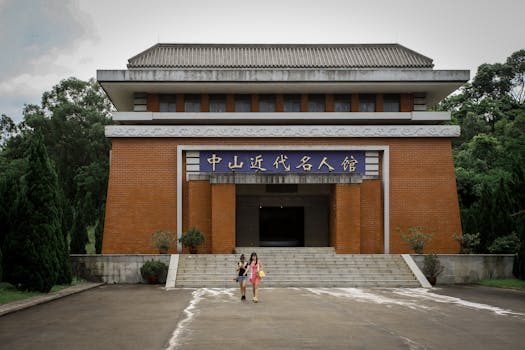
Imagine a student, brimming with curiosity, yet feeling constrained by the rigid structures of conventional schooling. They possess a sharp intellect, a desire to explore, but the prescribed curriculum feels like a well-trodden path offering little room for divergent thinking. This is the precise challenge that innovative educational institutions aim to address. The forestview education center emerges as a compelling alternative, not merely as another academic establishment, but as a thoughtfully designed ecosystem for cultivating well-rounded individuals poised for genuine, lasting impact.
The Pedagogical Philosophy: Cultivating Lifelong Learners
At its core, the forestview education center operates on a robust pedagogical philosophy that moves beyond rote memorization and standardized testing. The emphasis is on understanding, not just recall. This involves fostering critical thinking, problem-solving skills, and an intrinsic motivation to learn that extends far beyond the classroom walls. Educators here are not simply dispensers of information; they are facilitators, mentors, and guides, adept at igniting intellectual sparks.
I’ve often found that the most effective learning environments are those that acknowledge the multifaceted nature of student development. It’s not solely about academic scores, but about nurturing curiosity, resilience, and adaptability – qualities that are increasingly vital in our rapidly evolving world. The approach at forestview education center seems deeply attuned to this, prioritizing an experience that shapes intellect alongside character.
Integrating Nature and Nurture: A Unique Curriculum Framework
One of the most distinctive aspects of the forestview education center is its deliberate integration of the natural environment into the learning process. This isn’t merely about outdoor field trips; it’s about recognizing nature as a dynamic, living classroom. This approach offers several tangible benefits:
Enhanced Engagement: Hands-on experiences in nature naturally captivate young minds, making abstract concepts more tangible and memorable.
Development of Observational Skills: The intricate details of the natural world – from plant life cycles to animal behavior – demand keen observation, honing a skill applicable across all disciplines.
Promoting Well-being: Spending time in natural settings is scientifically linked to reduced stress and improved mental clarity, creating a more conducive atmosphere for learning.
Fostering Environmental Stewardship: Direct interaction with nature instills a sense of responsibility and a deeper appreciation for ecological balance, shaping environmentally conscious citizens.
The curriculum at forestview education center often weaves these elements together. For instance, a science lesson on ecosystems might involve a practical study of the local forest, or a literature class could explore themes of nature and human connection through poetry inspired by the surrounding landscape. This synergy between academic pursuits and the natural world creates a rich, immersive educational tapestry.
Beyond the Textbook: Experiential Learning and Skill Application
The forestview education center champions experiential learning, a methodology that places active participation at the forefront of education. This contrasts sharply with passive lecture-based instruction. Students are encouraged to do, to create, and to solve. This could manifest in various ways:
Project-Based Learning: Complex, real-world problems are presented, requiring students to collaborate, research, innovate, and present their findings.
Internships and Community Partnerships: Opportunities for students to gain practical experience in professional settings or contribute to community initiatives, bridging the gap between theoretical knowledge and practical application.
Creative Arts Integration: Utilizing art, music, and drama not as mere electives, but as integral tools for expression, critical analysis, and understanding diverse perspectives.
It’s interesting to note how these experiential components directly address a common critique of traditional education: its perceived disconnect from the realities of the modern workforce and society. By embedding these elements, forestview education center is actively preparing students for future challenges, equipping them with a transferable skillset.
Nurturing Individual Pathways: Personalized Academic Journeys
Recognizing that every student learns differently and possesses unique talents, forestview education center places a significant emphasis on personalized academic pathways. This is not about creating bespoke curricula for every individual, but about providing flexibility and support that allows each student to thrive according to their own strengths and pace.
This often involves:
Differentiated Instruction: Teachers tailor their teaching methods to accommodate diverse learning styles and abilities within the classroom.
Mentorship Programs: Pairing students with faculty or community members who can provide guidance, support, and encouragement based on individual aspirations.
Flexible Electives and Specializations: Offering a wide array of choices that allow students to delve deeper into areas of particular interest, fostering specialization and passion.
Formative Assessment: Continuous feedback loops that focus on growth and understanding, rather than solely on summative evaluations.
This tailored approach can be transformative. It allows students who might otherwise feel overlooked in a standardized system to discover their potential and build confidence. It’s about creating an environment where being different is an asset, not a deficit.
Preparing for the Future: Cultivating Adaptability and Resilience
In an era defined by rapid technological advancements and shifting global landscapes, the ability to adapt and remain resilient is paramount. The forestview education center seems acutely aware of this, designing its programs to foster these crucial meta-skills. Beyond academic knowledge, students are encouraged to develop:
Problem-Solving Agility: The capacity to analyze complex situations, identify root causes, and devise innovative solutions.
Growth Mindset: The understanding that abilities and intelligence can be developed through dedication and hard work, fostering a willingness to embrace challenges and learn from setbacks.
Collaboration and Communication: The skills to work effectively with diverse groups, articulate ideas clearly, and actively listen to others.
* Self-Awareness and Emotional Intelligence: Understanding one’s own emotions, strengths, and weaknesses, and being able to navigate interpersonal relationships with empathy and maturity.
These are the “invisible” but indispensable skills that truly set individuals apart, enabling them to not just survive, but to thrive in any environment they encounter.
The Forestview Legacy: More Than Just Education
Ultimately, the forestview education center represents a forward-thinking paradigm in education. It’s an institution that understands that true learning is holistic, encompassing intellectual growth, personal development, and a connection to the world around us. By blending rigorous academics with experiential learning, personalized support, and a deep appreciation for the natural environment, it offers a compelling model for cultivating not just knowledgeable students, but adaptable, resilient, and engaged citizens ready to make a meaningful contribution.
What unique educational approach could unlock the full potential of your child in today’s dynamic world?